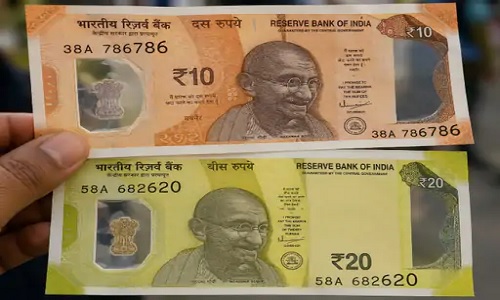

New Delhi: The government has taken an important step regarding the security and durability of notes in India. The central government has approved the field trial of polymer banknotes of 10 and 20 rupees, which are commonly called plastic notes. Under this trial, 100 crore polymer notes of both the denominations will be printed. This information was given by Finance Minister Nirmala Sitharaman in a written reply in the Rajya Sabha on Tuesday.
According to the information, the Reserve Bank of India (RBI) had sent a proposal to the government for the field trial of polymer notes of 10 and 20 rupees. Under this proposal, there is a plan to print 100 crore notes of each denomination. After the government approves this proposal, the trial process will now move forward.
The biggest feature of polymer notes is considered to be their durability. Polymer notes can last longer than ordinary paper notes. According to the available information, these notes can last for about 30 years. This can help in reducing the cost of printing and replacing notes in the long run.
Polymer notes are also more resistant to water and humidity than paper notes. Apart from this, they are also easy to keep clean. This feature can be especially important for small denomination notes that are constantly in circulation.
According to the RBI, during the field trial, polymer notes will be issued along with paper notes. This will not mean that the existing paper notes of Rs 10 and Rs 20 will be discontinued immediately. In the first phase, the use and performance of the new polymer notes will be studied.
If the field trial is successful, polymer notes of Rs 10 and Rs 20 can be issued regularly in future. The next decision in this regard will be taken only after the results of this trial. The introduction of new notes could mark the beginning of a new change in India’s monetary system.